
The Nature of Luck in Gambling
Luck is often romanticized in the world of gambling as an elusive force that can suddenly change the trajectory of a game. Players frequently recount stories of unexpected wins, attributing their success to sheer luck, which can create a compelling narrative around their experiences. However, examining the nature of luck reveals that it is often a complex interplay of chance events rather than a mystical element that influences outcomes consistently. This understanding is crucial for anyone engaging with australian betting sites and games of chance, as it demystifies the randomness inherent in gambling.
The belief in luck can distort players’ perceptions, leading them to chase their losses in hopes of a fortunate turn of events. This phenomenon, often referred to as the “gambler’s fallacy,” suggests that players might believe that a losing streak must be followed by a win. In reality, the odds in many casino games are designed to favor the house, resulting in a statistical inevitability that can lead to losses over time, regardless of an individual player’s luck. Recognizing this can help players maintain a healthier relationship with gambling.
Moreover, the psychological impact of luck can lead to behaviors such as gambling addiction, as players begin to rely on chance rather than strategy. Understanding that luck is an unpredictable element rather than a dependable ally can help players develop a more responsible and informed approach to their gambling activities. Acknowledging the limits of luck empowers individuals to make decisions that are less driven by emotion and more guided by knowledge, ultimately fostering a more sustainable gambling experience.
The Role of Skill in Casino Games
Contrary to the notion that gambling is merely a game of chance, skill plays a significant role in many casino games, particularly those that require strategic thinking and decision-making. Games such as poker and blackjack involve mathematical probabilities and psychological tactics that can be mastered over time. Skilled players can utilize these elements to improve their odds and increase their chances of winning, demonstrating that skill is an essential component of successful gambling. This understanding positions skill not just as an ancillary factor but as a critical element in the overall success of a player.
For instance, in poker, understanding your opponents’ behaviors and tendencies can make a huge difference in your gameplay. A skilled player may use techniques like bluffing and betting strategically to manipulate the game dynamics to their advantage. Similarly, in blackjack, players who apply card counting techniques can significantly shift the odds in their favor, showcasing how skill can transcend mere luck in certain environments. These strategies exemplify the depth of knowledge and practice required to excel in games that blend both luck and skill.
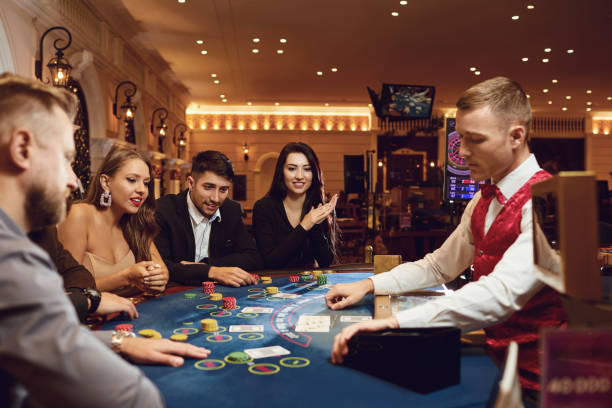
However, the distinction between skill and luck is often blurred, leading some to underestimate the value of skill. Regardless of the game, the best players continuously refine their strategies and adapt to changing circumstances, while novice players may find themselves relying solely on luck. This disparity illuminates the importance of education and practice; skill development is crucial for long-term success in any gambling environment. Understanding this can encourage new players to invest time in learning rather than relying on chance alone.
Myths About Luck and Skill in Casinos
There are numerous myths surrounding luck and skill in casinos that can mislead players. One common myth is the belief in “hot” or “cold” machines, where players assume that a slot machine that hasn’t paid out recently is due for a win. In reality, slot machines operate on random number generators, ensuring that each spin is independent of the last, making this belief erroneous. Such myths can create counterproductive strategies for players seeking to maximize their wins, leading them to make decisions based on misconceptions rather than facts.
Another popular myth is that skill can completely negate the aspect of luck in gambling. While skill is undoubtedly beneficial in games like poker and blackjack, it does not eliminate the role of luck entirely. Even the most skilled player can face unfavorable outcomes due to unpredictable variables in a game. Understanding that skill can improve odds but not guarantee a win is critical for developing realistic expectations when gambling. This mindset can help mitigate disappointment and foster a more balanced approach to gaming.
Additionally, players often believe that simply playing longer will increase their chances of winning because they perceive that more playtime inherently leads to greater luck. This idea ignores the underlying house edge in most games, where prolonged play typically results in losses over time. Recognizing these myths allows players to approach gambling with a more informed mindset, preparing them to engage with the games in a way that balances both luck and skill. Such awareness can lead to more enjoyable experiences and better decision-making.
Responsible Gambling: Balancing Luck and Skill
In light of the myths surrounding luck and skill, responsible gambling practices become paramount. Understanding the inherent risks and the mechanics of the games played is vital in ensuring that gambling remains a fun and entertaining activity rather than a financial burden. Players should first educate themselves about the games, including their rules, odds, and strategies, to cultivate an informed approach that recognizes the limits of both luck and skill. This knowledge empowers players to make decisions that reflect their understanding, rather than succumbing to myths or misconceptions.

Establishing limits is another essential element. Players should set budgets for their gambling activities and adhere to them, allowing for enjoyable experiences without jeopardizing their financial stability. By respecting these limits, players can enjoy the thrill of the game while minimizing potential negative impacts associated with gambling. This practice not only enhances enjoyment but also protects players from the pitfalls of excessive gambling.
Lastly, recognizing when to take a step back is crucial. If emotions begin to overshadow rational decision-making, it may be time to pause and reassess one’s approach to gambling. Engaging with responsible gambling initiatives can further enhance awareness of the balance between risk and reward, ensuring that players approach their experiences with a healthy perspective on luck and skill. Such initiatives can provide support and resources for those who may be struggling or seeking to improve their gambling habits.
Learn More About Responsible Gambling
For those interested in understanding more about the dynamics of luck and skill in casinos, numerous resources provide valuable insights into both gaming strategies and responsible gambling practices. Websites dedicated to gambling education often feature articles, tutorials, and expert tips that can help players navigate the often-misunderstood landscape of casino games. Accessing these resources can empower individuals to make informed decisions and adopt strategies that align with their personal goals, fostering a more educated gambling community.
In addition, forums and community-based platforms allow players to share their experiences and learn from one another. Engaging with a community of informed gamblers creates an avenue for exchanging tips and strategies while fostering a supportive environment that encourages responsible gambling. This collective knowledge can significantly enhance one’s gaming experience by reinforcing the importance of both skill and luck, allowing players to connect and grow together.
Ultimately, taking the time to learn and understand the intricacies of casino games can lead to greater enjoyment and more rewarding experiences. By recognizing the roles of luck and skill, players are better equipped to approach their gambling with confidence, ensuring that they can participate responsibly and knowledgeably. This informed approach not only enhances the individual gambling experience but also contributes to a healthier gambling culture overall.